Guides · Documents
Transit Visa Rules by Hub (2026): Where You Can Stay Airside
Transit visa rules by hub, 2026: which airports let you connect airside without a visa, and why the US and Mexico have no sterile transit.
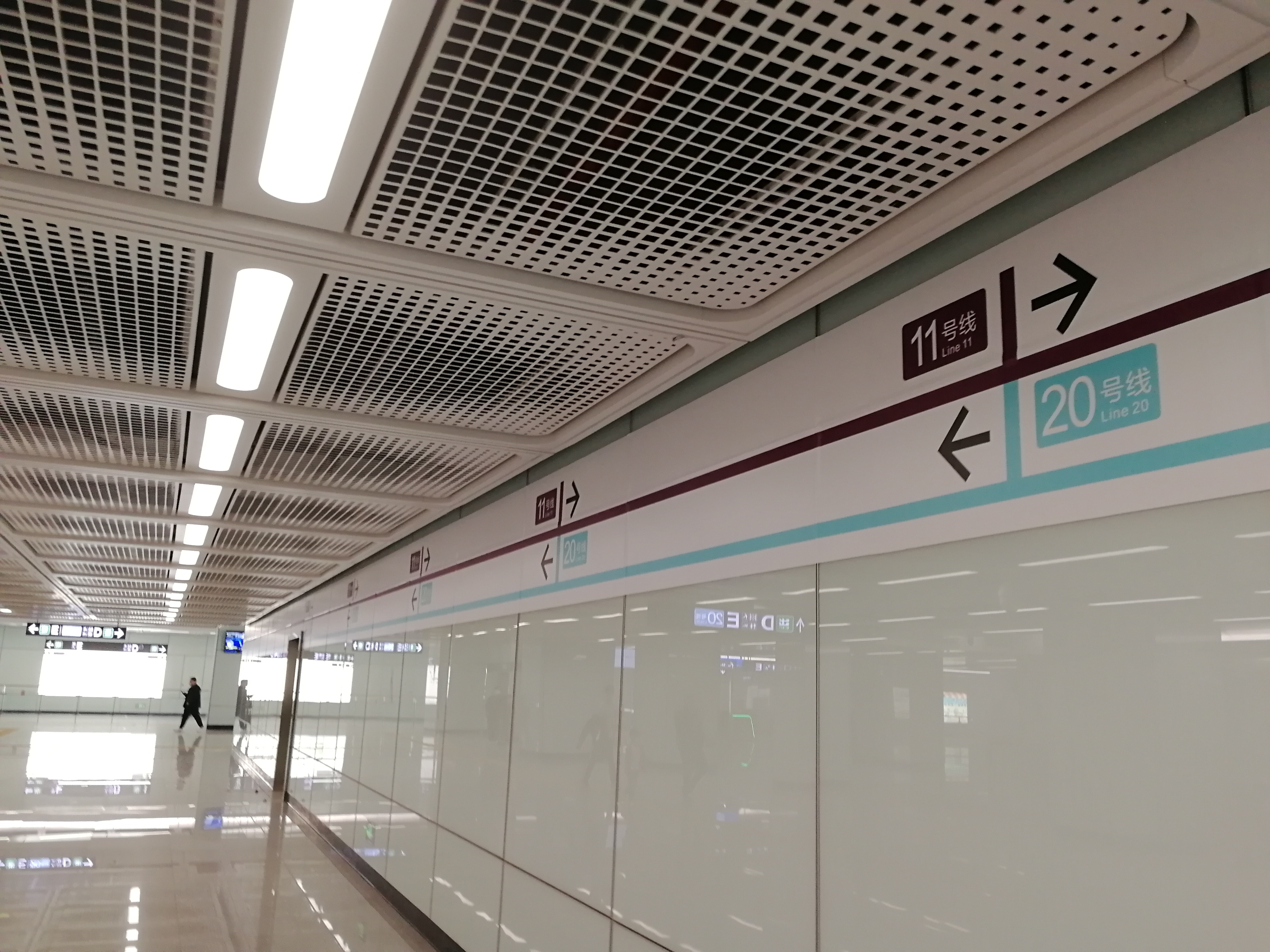
Transit visa rules depend on the hub. Most big international hubs let you change planes "airside" without a visa. That means you stay in the secure departures zone and never pass immigration. Dubai, Doha, Singapore, Hong Kong, Seoul, Tokyo and most Schengen airports work this way for most travelers. The United States and Mexico do not. At those airports, every connecting passenger clears immigration and needs the same papers as a visitor. The UK, Canada and Australia sit in between, with rules that depend on your passport.
All rules below are as of October 2026, and transit policy changes often. Check your exact trip before you book.
What "airside" actually means
Airside is everything past security and passport control: the gates, the shops and the transfer corridors. Landside is the public side: check-in halls, baggage claim and arrivals.
A connection is "airside" (also called sterile transit) when you walk from one gate to another without meeting an immigration officer. Legally, you have not entered the country. That is why many countries don't ask for a visa.
The catch is that this only works if the airport is built for it and the country allows it. If either is missing, you must formally enter the country just to catch your next flight. Then the normal visitor rules apply, even if you only spend 90 minutes on the ground.
Transit visa rules by hub: the US and Mexico have no airside option
United States. The US has no sterile transit. Every arriving international passenger goes through CBP (US Customs and Border Protection) immigration. If you would need a visa to visit, you need one to connect.
Visa Waiver nationals use an ESTA. Everyone else needs a B-1/B-2 visitor visa or a C-1 transit visa. Indian, Chinese and Nigerian nationals need a US visa even if they stay on the same plane. Canadians are exempt.
Our guide ESTA vs US Visa 2026 explains which one applies to you.
Mexico. Since October 22, 2023, travelers from visa-required countries, including India, China and Nigeria, need a Mexican visitor visa to transit any Mexican airport, however short the stop. There are two exemptions:
- Permanent residence in the US, Canada, Japan, the UK, a Schengen country or a Pacific Alliance state.
- A valid multiple-entry visa from the US, Canada, Japan, the UK or Schengen.
An ESTA is not a visa and doesn't count. US citizens need no visa.
Canada, the UK and Australia: it depends on your passport
Canada.
- US citizens and US green-card holders: no visa and no eTA (electronic travel authorization) needed to transit.
- eTA nationals: most visa-exempt nationals, such as British or German citizens, need an eTA even to connect by air.
- Visa-required nationals: need a transit visa for connections of 48 hours or less, unless a special program covers them.
- Transit Without Visa covers passport holders of China, Indonesia, the Philippines, Thailand and Taiwan (Taiwanese passports without a personal ID number) who are flying to or from the US with a valid US visa. It only applies on participating airlines and at participating airports.
- China Transit Program covers Chinese passport holders who are traveling to or from the US, hold a valid US visa, stay in the international transit area and leave Canada within 24 hours. It only works at Toronto Pearson Terminal 1, Vancouver, Montréal (Air Canada flights only), Calgary and Winnipeg.
- Indian and Nigerian nationals: not covered by either program, so they need a Canadian transit visa even airside.
Official page: canada.ca (search "transit through Canada").
United Kingdom.
- Airside: since January 16, 2025, the Home Office has temporarily waived the ETA (Electronic Travel Authorisation) for passengers who stay airside. The waiver is officially "under review," so confirm it still applies.
- Which airports: airside transit only exists at airports with transit facilities. Heathrow and Manchester are reportedly the two named in Home Office commentary, but check the current list and confirm your airport has an airside transit area. Gatwick and Stansted connections are landside.
- Landside: an overnight stay, collecting bags or a terminal change that routes you through arrivals all need an ETA, including for US citizens. The ETA costs £20 as of April 2026.
- Visa nationals, airside: transiting airside without a Direct Airside Transit Visa requires a confirmed onward flight the same day from the same airport.
- Visa nationals, landside: transiting landside without a visa requires an onward flight before 23:59 the next day.
- Indian and Nigerian nationals: need a Direct Airside Transit Visa even to stay airside, unless an exemption applies. A valid visa for Australia, Canada, New Zealand or the US can exempt you. However, under the Home Office's August 2026 guidance a US B1/B2 visa can't be used for this, and other countries' e-visas aren't accepted.
- Chinese ordinary-passport holders: appear to be able to transit airside without a visa, provided the onward flight leaves the same day from the same airport. Confirm with your airline, since this comes from the carrier list rather than a published rule.
Official page: gov.uk (search "transit visa").
If you're routing through London, our Heathrow connection times guide covers terminal transfers and minimum connection times there.
Australia. Eligible passport holders, including US citizens, can transit without a visa if all of these are true:
- They arrive by air.
- They have a confirmed onward international flight within 8 hours.
- They don't clear immigration or collect bags.
Ordinary Indian, mainland Chinese and Nigerian passport holders need a Transit visa (subclass 771).
Official page: immi.homeaffairs.gov.au (Transit visa 771).
Europe: Schengen and Ireland
Schengen. Most nationalities, including US, Indian and Chinese citizens, can connect airside without a visa. The exception is the EU's common Airport Transit Visa list of 12 countries: Afghanistan, Bangladesh, DR Congo, Eritrea, Ethiopia, Ghana, Iran, Iraq, Nigeria, Pakistan, Somalia and Sri Lanka.
Individual countries add their own lists, and that is where people get caught. Spain's list includes India, Turkey, Egypt, Cuba and Russia. So an Indian traveler needs an Airport Transit Visa to connect airside in Madrid, but not in Frankfurt or Paris.
These count as exemptions:
- A valid Schengen visa.
- A US green card.
- Residence permits from Canada or Japan.
A US visitor visa alone does not count.
Two newer systems don't affect airside connections. EES, the EU's biometric entry/exit registration, only applies when you actually cross the border. ETIAS, the EU's travel authorization for visa-exempt visitors, had not started for arrivals as of October 2026 and is not expected to apply airside.
Ireland. Ireland is outside Schengen. Dublin reportedly has no dedicated airside transit corridor for most connections. Nationals on Ireland's transit-visa list, which is understood to include Nigeria, need an Irish transit visa just to pass through. US citizens need no visa. Indian and Chinese nationals need an Irish visa to enter, but appear not to be on the transit-visa list. We couldn't confirm the official list, so check it at irishimmigration.ie before you book.
The Gulf, Turkey and Asia: mostly easy airside
Dubai and Abu Dhabi. No visa is needed to stay airside. US citizens get a visa on arrival if they want to leave the airport.
Other nationalities can have a UAE airline (Emirates, Etihad, flydubai or Air Arabia) arrange a 48- or 96-hour transit visa. You need an onward ticket to a third country, and passport validity of 3 months (48-hour visa) or 6 months (96-hour visa). The transit visa must be approved before you arrive, and one issued through Emirates is valid only for onward travel on Emirates or its codeshares. For the six-month rule in general, see the six-month passport rule. Our Dubai layover guide covers the costs and how to apply.
Doha. No transit visa is needed if you stay in the transit area. To leave the airport, Qatar has offered an optional transit visa of QAR 100 for up to 96 hours through Qatar Airways and Discover Qatar, but its availability has been intermittent since 2023, so check before you count on it.
Istanbul. Airside transit is visa-free for US, Chinese and most other passports. One exception: since April 15, 2024, Indian and Nepalese passport holders connecting at IST to Mexico, Panama, Colombia or Venezuela need a free Electronic Airport Transit Visa. The full list of affected nationalities may be longer, so check evisa.gov.tr. See our Istanbul transit guide.
Singapore and Hong Kong. Both are visa-free airside.
- Singapore: Indian nationals (and selected PRC travel-document holders) can leave the airport for up to 96 hours under the Visa Free Transit Facility. They need a visa or long-term pass for Australia, Canada, Germany, Japan, New Zealand, Switzerland, the UK or the US, valid at least one month beyond entry, and an onward ticket to a third country within 96 hours. Official page: ica.gov.sg. Our Singapore Changi layover guide covers what to do there.
- Hong Kong: exempts airside transit passengers from its pre-arrival registration for Indian visitors.
Tokyo and Seoul. Both allow airside transit without a visa. In Tokyo, airside transit without a visa is allowed for 72 hours or less. Changing between Narita and Haneda means entering Japan, so you need a visa or visa-free status. Official page: the Japanese embassy's visa and transit page. In Korea, the K-ETA (Korea's travel authorization) is waived for US citizens through December 31, 2026.
China: visa-free entry rather than airside transit
China's 240-hour (10-day) policy is a visa-free entry, not an airside connection: you pass immigration and enter the country. US citizens and nationals of 54 other countries can use it at 65 ports. You need a confirmed onward ticket to a third country (a round trip home doesn't qualify) and a passport valid for at least 3 more months. Indian and Nigerian nationals are not eligible.
Separately, a 24-hour direct-transit rule reportedly lets nationals of all countries transit China without a visa if they hold an onward ticket. Some ports may be excluded, so confirm with your airline before relying on it.
Quick comparison
| Hub | Airside without a visa? | Watch out for |
|---|---|---|
| United States | No: everyone clears immigration | ESTA or visa needed even for same-plane connections |
| Mexico | No | Visa-required nationals need a Mexican visa unless exempt |
| Canada | Depends on passport | eTA for visa-exempt nationals; Indian and Nigerian nationals need a transit visa |
| UK (reportedly Heathrow, Manchester) | Mostly, for now | ETA waiver is temporary; same-day onward flight needed; Indian and Nigerian nationals need a transit visa |
| Schengen | Mostly | 12-country EU list plus national lists (e.g., India at Madrid) |
| Dubai, Doha | Yes | Leaving the airport needs a visa or airline-arranged transit visa |
| Istanbul | Yes, for most | e-ATV for Indian and Nepalese passports to certain Latin American destinations |
| Singapore, Hong Kong, Seoul, Tokyo | Yes | Changing airports in Tokyo means entering Japan |
| Australia | Yes, for eligible passports | 8-hour limit; Indian, Chinese and Nigerian passports need a 771 visa |
| China | 24-hour direct transit reportedly allowed (check ports) | 240-hour visa-free entry needs an onward third-country ticket and 3 months' passport validity; not for Indian or Nigerian passports |
What turns an airside connection into an entry
Three things force you landside, even at an airport with sterile transit:
- Separate tickets. If your bags aren't checked through, you must collect them in baggage claim, which is landside. Canada, the UK, Schengen and Australia all treat this as entering the country, so the full visa rules apply. Our separate-tickets guide covers the other risks.
- Overnight stays. Overnight connections are treated as landside, so plan on the entry rules applying.
- Changing airports. Narita to Haneda, Heathrow to Gatwick and JFK to Newark are always landside.
How to check before you book
Use your airline's "visa and passport requirements" tool. Most run on IATA Timatic, the same database check-in agents use to decide whether you can board. Enter both the transit country and your final destination.
Then cross-check with the transit country's official immigration site. US passport holders should also read the State Department's country page at travel.state.gov.
Our /documents checker looks up entry requirements by nationality and destination, links to official sources, and confirms your passport meets the 3- and 6-month validity rules.
Frequently asked questions
Do US citizens need a transit visa anywhere?
Rarely. US citizens can connect airside at most major hubs without paperwork. A UK ETA is needed if you go landside in Britain, and Australia requires an ETA if you enter the country.
Can I connect in the US without a visa if I never leave the airport?
No. The US has no sterile transit, so you need an ESTA if you're from a Visa Waiver country, or a US visa otherwise, even on a same-plane stop.
Does a US visa let me transit other countries?
Sometimes, depending on your nationality. A valid multiple-entry US visa can exempt visa-required nationals in Mexico. In Canada, Transit Without Visa helps only passport holders of China, Indonesia, the Philippines, Thailand and Taiwan, on participating airlines and airports. Singapore's 96-hour facility is only for Indian nationals and selected PRC travel-document holders. The UK doesn't accept a US B1/B2 for its transit-visa exemption, and in Schengen a US visitor visa alone doesn't exempt you from an Airport Transit Visa.