Guides · Airports
JFK Terminal Guide 2026: Airlines by Terminal and How to Connect
JFK terminal guide for 2026: which airlines use Terminals 1, 4, 5, 6, 7 and 8, how the AirTrain links them, and how long to allow for a connection.
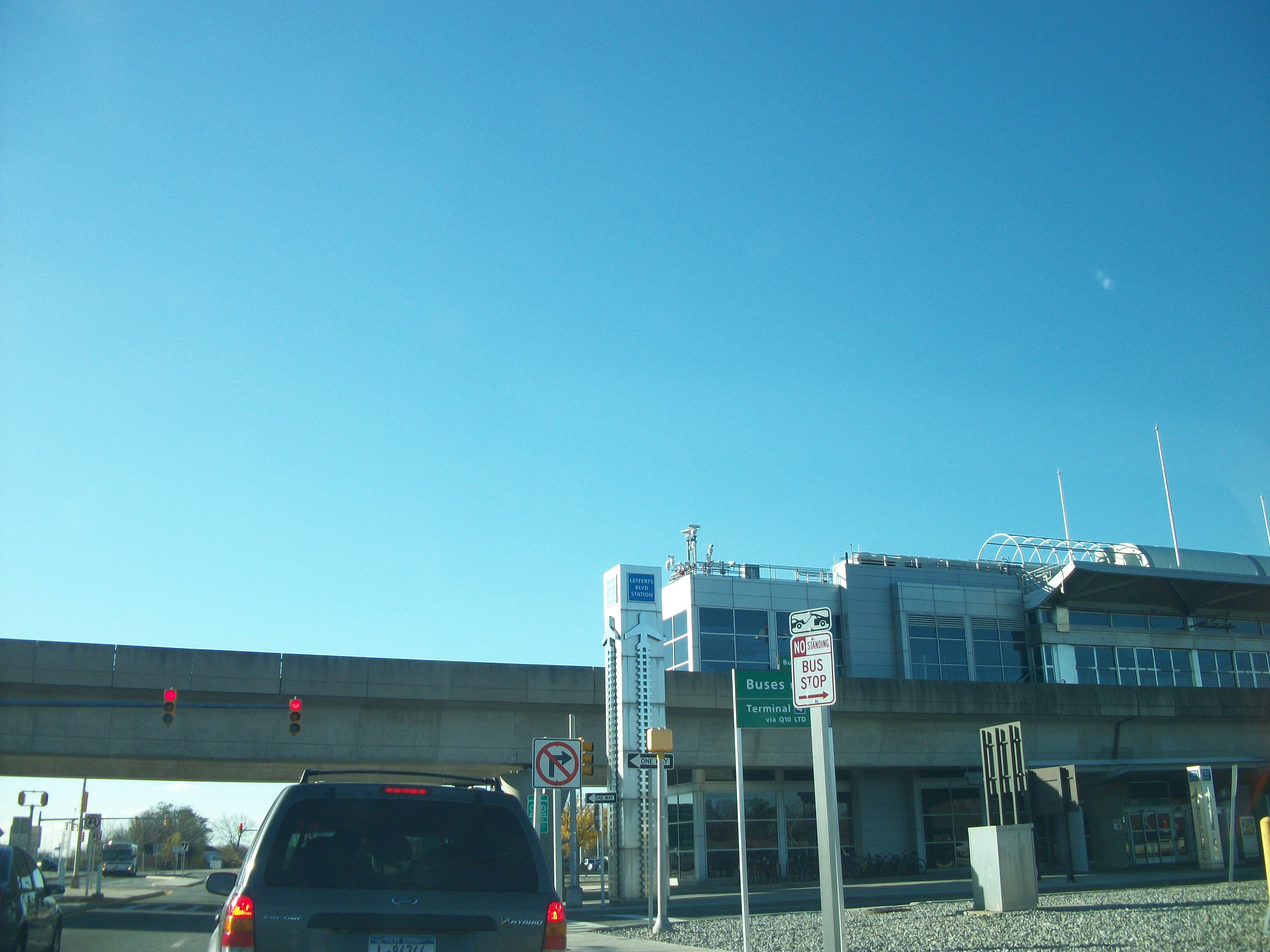
This JFK terminal guide reflects the airport as of October 2026. JFK has six working terminals: 1, 4, 5, 6, 7 and 8. Delta is based in Terminal 4, JetBlue in Terminal 5 (with some flights from Terminal 6), and American and its oneworld partners in Terminal 8.
The terminals are linked only by the AirTrain, which runs outside security. The one exception is a planned airside link between Terminals 5 and 6, which may not be open yet. So a connection that changes terminals almost always means leaving the secure area, riding the train and going through screening again.
On a single ticket, allow at least:
- 2 hours for a domestic-to-domestic terminal change
- 2.5 hours for domestic to international
- 3 hours if you are arriving from abroad and flying on within the US
Which airlines use which terminal at JFK
JFK is in the middle of a major rebuild, so assignments are shifting more than usual. The table reflects the position as of October 2026. It is a partial list covering the main airlines in each terminal. If your airline isn't shown, confirm its terminal on jfkairport.com and in your airline's app. Whatever your airline, check your terminal on your boarding pass or in the app within 24 hours of departure.
| Terminal | Main airlines (as of October 2026) | Notes |
|---|---|---|
| 1 | Air France, Korean Air, Turkish, Austrian, SWISS, Saudia and other international carriers | Older building, due to be replaced by the New Terminal One |
| 4 | Delta (its hub), plus Emirates, Singapore, Etihad, Virgin Atlantic, KLM, Avianca and many others | Delta's hub, so Delta-to-Delta connections stay in this one building |
| 5 | JetBlue | JetBlue's main base |
| 6 | JetBlue (select flights) | First phase opened in 2026. About 16 carriers have committed to move here as more phases open |
| 7 | Aer Lingus, Air Canada, ANA, Condor, Icelandair, Norse Atlantic, Frontier and others | Being retired in phases through late 2026 and 2027 |
| 8 | American, British Airways, Iberia, Finnair, Japan Airlines, Qatar, Cathay Pacific and other oneworld carriers | oneworld is the alliance American and BA belong to |
There is no Terminal 2 or Terminal 3 anymore. If an old printout, a relative or a taxi driver mentions them, the information is out of date.
What is changing in 2026 and 2027
Three projects affect where your airline will be:
- Terminal 7 is closing in stages. Its airlines are moving either to the new Terminal 6 or to the New Terminal One. If you are flying Aer Lingus, Air Canada, ANA, Icelandair or another T7 airline, don't assume this year's terminal is the same as last year's.
- Terminal 6 is opening in phases. JetBlue uses it for some flights now, and more airlines will follow. Terminals 5 and 6 are being built to connect airside, meaning inside security. Check whether that walkway is open before relying on it.
- The New Terminal One has slipped. It is being built on the site of today's Terminal 1 and the old Terminals 2 and 3. Substantial completion is expected no earlier than December 2026, and opening is targeted for early 2027. Construction dates like these often move again, so treat them as estimates.
For a JFK trip in late 2026 or 2027, check your terminal close to departure, not when you book.
How connecting between terminals works
Most big hub airports let you walk or ride a train between terminals without leaving the secure zone. JFK doesn't. Each terminal is effectively its own island. The main link between them is the AirTrain, an automated train that runs landside (outside security). The only planned exception is the airside link between Terminals 5 and 6.
A terminal change looks like this:
- Leave the secure area of your arrival terminal and follow signs for AirTrain.
- Ride to your departure terminal. It's free between terminals, and the trip typically takes 10 to 20 minutes including the wait for a train.
- Go through TSA security screening again at the new terminal. Liquids rules apply as normal.
- Walk to your gate.
If you have a single ticket with checked bags and you are connecting domestic to domestic, your bags usually transfer without you. You, however, still have to make the AirTrain trip and get through the second security line. That second queue is where tight connections usually fail.
Arriving from abroad: immigration comes first
The US has no "sterile transit," the system some countries use where international transfer passengers stay airside without formally entering the country. At JFK, as at every US airport, an international arrival means:
- Clearing US immigration (passport control).
- Collecting your checked bags, even if they are tagged to your final destination.
- Clearing customs.
- Dropping your bags at the airline's re-check point.
- Going through security again, and taking the AirTrain first if your next flight leaves from another terminal.
Immigration queues are the unpredictable part. They depend on how many wide-body flights land at once. Global Entry or Mobile Passport Control, if you are eligible, typically cuts that wait considerably.
How long to allow for a JFK connection
Airlines publish a minimum connection time, the shortest gap they will sell on a single ticket. They won't sell you anything shorter, but that minimum assumes everything runs on time and you know exactly where you are going. The figures below are more realistic buffers for a single ticket, as of October 2026.
| Connection type | Same terminal | Different terminal |
|---|---|---|
| International → domestic | 2 hours | 3 hours |
| Domestic → international | 90 minutes | 2.5 hours |
| Domestic → domestic | 60–75 minutes | 2 hours |
Some rules of thumb:
- Book a terminal-change connection only if it meets the table. That means 2 hours for domestic to domestic, 2.5 hours for domestic to international, and 3 hours for an international arrival connecting to a domestic flight.
- Staying within one airline's terminal is the easy option. Delta to Delta in T4 or American to American in T8 avoids the AirTrain completely.
- Watch for alliance partners in different terminals. A change of airline doesn't automatically mean a change of terminal, because T4 and T8 each house many carriers. The real trap is partners that sit apart. Air France, Delta and KLM all belong to SkyTeam, one of the big airline alliances, but Air France is in T1 while Delta and KLM are in T4. So a Delta-to-Air France connection means an AirTrain trip and a second security screening. Check the terminal for each flight separately.
- JetBlue may be in T5 or T6. If your two JetBlue flights use different buildings and the T5–T6 airside link isn't open yet, plan for a terminal change.
- Check both flights on the day. Our live flight status tool shows scheduled and actual departure and arrival times, delay status, terminals, gates and the baggage belt. Use it to confirm your arrival terminal and your departure terminal before you land. Our guide on how to read a flight status explains which delays matter and which don't.
Separate tickets: give yourself much more room
If your two flights are on separate bookings, neither airline is responsible for the connection. Take a budget transatlantic flight into T7 followed by a JetBlue domestic flight from T5. That is an international-to-domestic terminal change, which already needs 3 hours on a single, protected ticket.
On separate tickets you also have to check in again and drop your bags with the second airline. If the first flight runs late and you miss the second, the second airline can treat you as a no-show. You would have to pay for any new ticket yourself.
Our advice is to allow at least 4 hours at JFK when the first flight on a separate ticket is international. For domestic-to-domestic separate tickets, allow noticeably more than the single-ticket figures in the table above. Add more again if a missed onward flight would be expensive to replace. Our guide to missed connections on separate tickets covers who pays and what to say at the desk.
If the flight that makes you miss your connection is cancelled or badly delayed, your rights depend on the airline and the route. See your rights when a flight is cancelled or badly delayed.
Practical tips for a smoother JFK connection
- Screenshot your terminal and gate before you land. Then you aren't scrolling through an app while following signs to the AirTrain.
- Pack liquids for a second screening. If you bought duty-free liquids abroad, keep them in the sealed, unopened tamper-evident bag they were packed in. Check the current TSA rule on tsa.gov before you travel, because the conditions are specific.
- Ask for wheelchair or mobility assistance when you book, not on arrival. Inter-terminal transfers at JFK involve long walks, escalators and a train, and assistance takes time to arrange.
- Know what to do if a bag doesn't arrive. International arrivals collect their bags at JFK, so that is where a missing bag becomes obvious. Report it before you leave the baggage hall. Our guide Airline Lost My Bag: Montreal Convention Limits, PIR and Claims walks through the claim.
- Use our airport guides for more on lounges, baggage allowances, trusted-traveler programs and cancellations.
Frequently asked questions
Can I walk between terminals at JFK without going through security again?
Generally no. Terminals are connected by the landside AirTrain, so changing terminals means re-screening. The one planned exception is a link between Terminals 5 and 6, so check whether it is open before you count on it.
Is the AirTrain free between JFK terminals?
Yes. Riding between terminals is free. A fare is charged at the Jamaica and Howard Beach stations. Check the current fare on jfkairport.com.
Do I have to collect my bags when connecting at JFK from an international flight?
Yes. All international arrivals collect checked bags after immigration, clear customs, and re-check them for the onward flight, even on a single ticket. Build that into your connection time.