How Early to Arrive at Tokyo Haneda (HND): Domestic vs International
How early to arrive at Tokyo Haneda (HND) for domestic and international flights: how airline cut-offs, terminals, bus gates and trains affect timing.
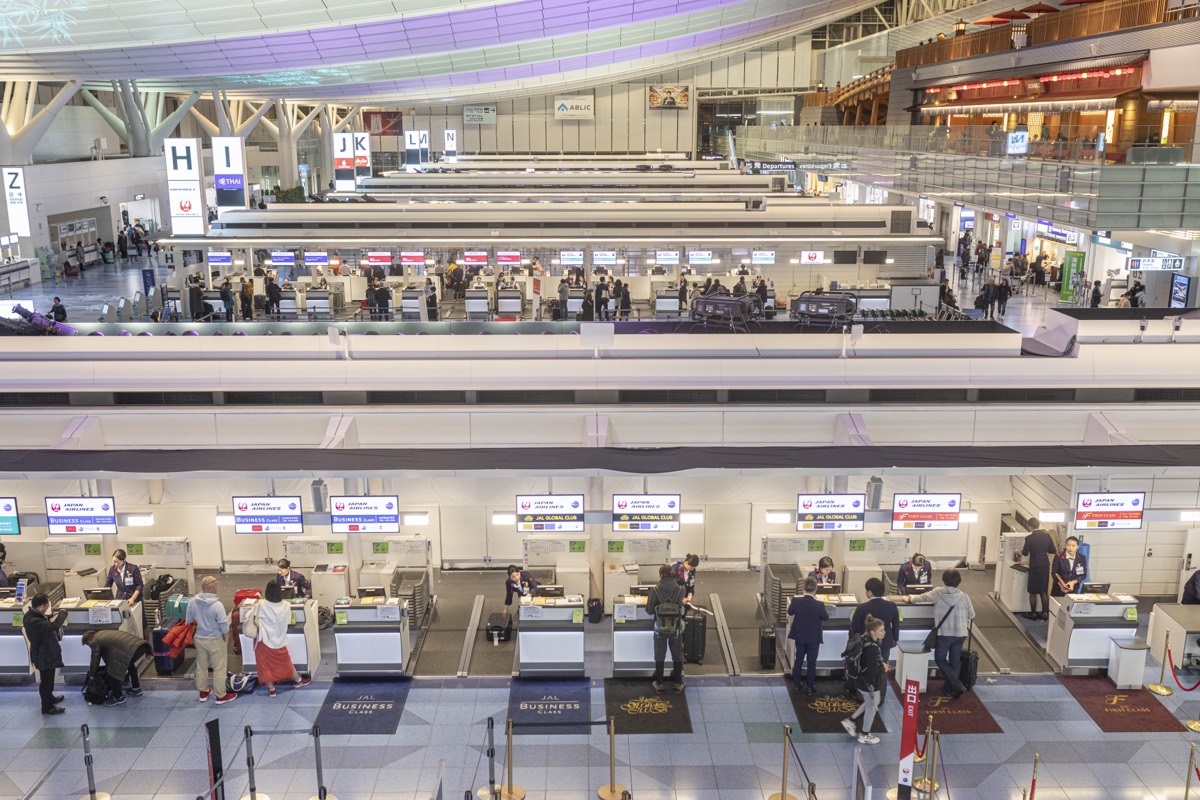
Haneda has no single "arrive by" rule. The time that matters is your airline's check-in and bag-drop cut-off, which every carrier publishes for its own flights. Find that cut-off, then work backward and add margin for the steps between you and it. International departures need noticeably more margin than domestic ones because they add departure immigration, and some domestic flights board by bus, which also eats into your time.
Here's how to work out the right arrival time for your flight, as of October 2026. Confirm the details on your airline's website and Haneda's official site before you fly.
Start with the right airport and the right terminal
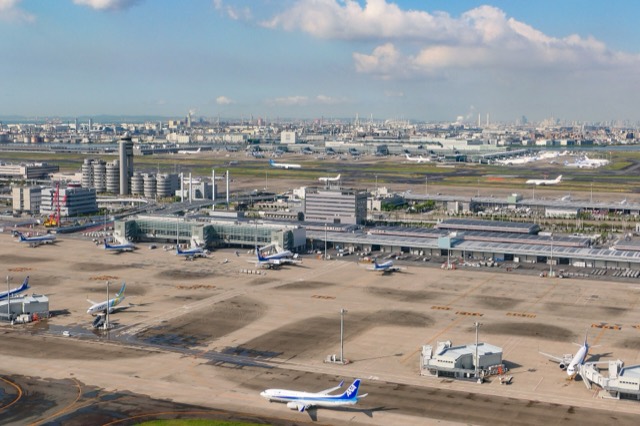
Two big airports serve Tokyo: Haneda (HND) and Narita (NRT). Haneda is the busier of the two. It sits in Ōta, about 15 km (9.3 miles) south of Tokyo Station. Narita is much farther out. Because tickets and taxi drivers often just say "Tokyo," travelers do turn up at the wrong one.
That mistake is hard to recover from. Keisei's direct "Access Express" trains between Haneda and Narita take 93 minutes. The Airport Limousine buses between the two airports take 65–85 minutes, or longer in traffic. Check the three-letter code on your booking, HND or NRT, before you leave your hotel.
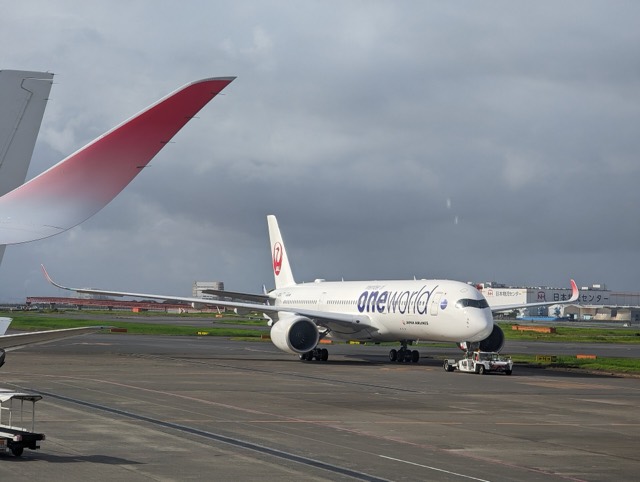
Haneda has three terminals, numbered 1, 2 and 3. As of October 2026, Terminal 1 handles domestic flights only. It is used by Japan Airlines, Skymark Airlines and StarFlyer. If you're flying internationally, you won't depart from Terminal 1.
Terminal assignments change, so confirm yours on your boarding pass or the airline's app. Our Tokyo Haneda Terminal 1 guide explains how to work out which terminal you need.
Why the airline's cut-off is the number that counts
A check-in cut-off is the latest moment the airline will accept you, and your checked bags, for a flight. Miss it and you may lose your seat, even if the plane is still at the gate. Airlines set these times themselves, and they can differ by airline, by route and by fare type. Some also set a separate, earlier deadline for dropping bags.
So the answer to "how early should I arrive?" is really:
Arrival time = cut-off + time for the steps after it + a buffer for things going wrong.
Your airline's website usually gives both a cut-off and a recommended arrival time. The recommendation already includes some cushion, so treat it as the minimum. Arrive earlier if any of the risk factors below apply to you.
Domestic vs international: what's different
The table shows the steps you'll go through. The more steps, the more places a queue can form.
| Step | Domestic flight | International flight |
|---|---|---|
| Check-in / bag drop | Yes, before the airline's cut-off | Yes, usually with an earlier cut-off and passport and visa checks at the counter |
| Security screening | Yes | Yes |
| Departure immigration (passport control on leaving Japan) | No | Yes |
| Possible bus to the aircraft | At some Terminal 1 gates | Depends on gate |
| Recommended margin | Smaller | Noticeably larger |
International flights take longer for two reasons. First, the agent at the counter has to check that your documents are valid for your destination. If something looks wrong, sorting it out can take a long time. Second, you pass through Japanese departure immigration after security. That queue is separate from security, and its length varies by hour and day.
Before an international trip, run your passport through our passport-validity and entry-requirements checker. Some destinations refuse boarding if your passport expires too soon after your trip.
The bus-gate factor at Terminal 1
This one surprises a lot of domestic travelers. Not every Terminal 1 gate has a jet bridge (the enclosed walkway straight onto the plane). As of October 2026:
- Gates 1–23 use jet bridges.
- Gates 31–40 and 84–90 use ground boarding by bus. You go to the gate, board a bus, and ride out to the aircraft.
- Gates 24–29 are new. They are in a north satellite building completed in September 2026, which was built partly to cut down on bus transfers.
Bus boarding works on the bus's schedule, not the plane's. The last bus leaves the gate before the aircraft door closes, so the effective "be at the gate" time is earlier. If your boarding pass shows a bus gate, get through security with extra time to spare. Gate assignments can change on the day, so check the screens once you're airside.
Getting to Haneda: allow for the journey, not just the airport
Your arrival time is only useful if you can actually reach the airport by then. Haneda is served by:
- Keikyu Airport Line (rail)
- Tokyo Monorail
- Airport Limousine and Keihin Kyuko buses to points around the Kanto region, including Tokyo City Air Terminal, Shinjuku Expressway Bus Terminal and Yokohama City Air Terminal
- Taxis and cars. Major expressways run through and alongside the airport. There are five parking garages, P1 to P5.
Trains run to a timetable and avoid road traffic. Buses and taxis are more comfortable with heavy luggage, but they depend on expressway conditions. If you go by road at rush hour or on a holiday weekend, add extra time.
Fares, timetables and journey times change. Check them on the operator's website or Haneda's official site. Don't rely on a figure you saw somewhere else, including here.
When to arrive earlier than the airline suggests
Add extra margin if any of these apply:
- You're checking bags, especially oversized items like golf bags or strollers, which may go to a separate counter.
- You're traveling at peak times, such as Japanese holiday periods like New Year, Golden Week and Obon, or the morning and early-evening rush.
- You need assistance, such as a wheelchair. Request it through your airline in advance, and allow time for staff to meet you.
- You've never been to Haneda before. It's a large airport, and finding the right counter takes longer the first time.
- You're catching a separate onward ticket. If a delay makes you miss it, the second airline usually doesn't have to help. Our guide to missed connections on separate tickets explains the risk.
On the day, check your flight on our live flight status page. It shows scheduled and actual times, terminal and gate, so you can spot a change before you set off.
A simple plan for the day
- Confirm the airport (HND, not NRT) and your terminal.
- Look up your airline's check-in cut-off and recommended arrival time for your specific flight.
- Check how long your train, bus or taxi takes at that time of day, using the operator's site.
- Leave early enough to arrive at or before the airline's recommended time. Leave even earlier if you're flying internationally, checking bags, or traveling at a busy time.
- Once airside, check whether your gate uses a bus. If it does, head there early.
Arriving with time to spare costs you a coffee and some waiting. Arriving late can cost you the flight.
Frequently asked questions
Is there an official Haneda rule for how early to arrive?
No airport-wide rule applies to every flight. Each airline sets its own check-in and bag-drop cut-offs and usually publishes a recommended arrival time. Check yours on the airline's website, and treat it as the minimum.
Do I need to arrive earlier for an international flight than a domestic one?
Yes. International departures add document checks at the counter and departure immigration after security, and both can involve queues. Airlines typically set earlier cut-offs and recommend earlier arrival for international flights.
Which terminal do domestic flights use?
As of October 2026, Terminal 1 is used only for domestic flights, by Japan Airlines, Skymark Airlines and StarFlyer. Other airlines' domestic flights may use a different terminal. Always confirm your terminal on your boarding pass or with your airline, because assignments change.