Guides · Cruise & air
Alaska Cruise Flights: Seattle vs Vancouver vs Anchorage & Jones Act
Alaska cruise flights compared: SEA, YVR or ANC, why Anchorage cruises really leave from Whittier or Seward, and how the PVSA rule shapes routes.
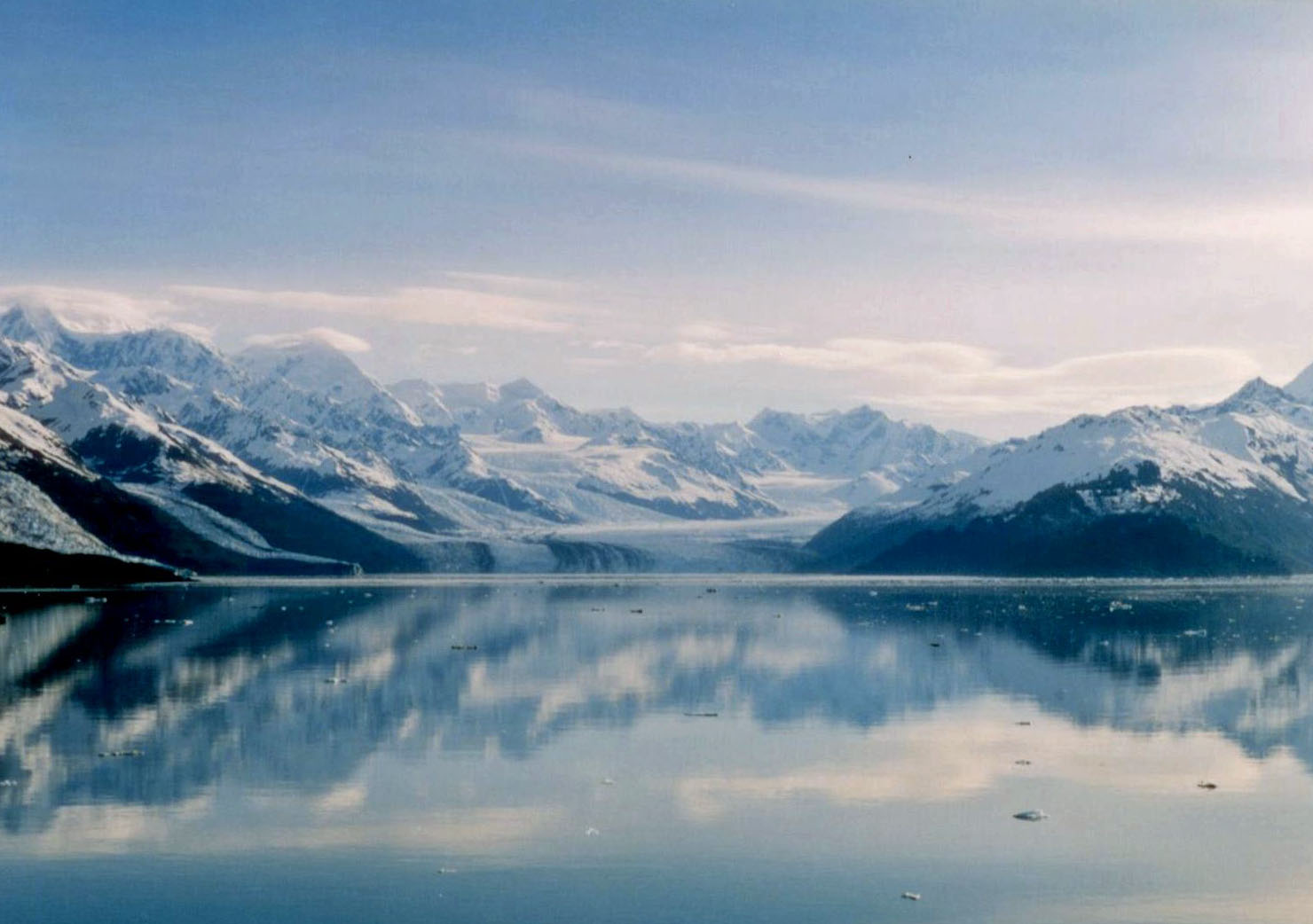
Your cruise decides your airport, not the other way round. Round-trip Inside Passage cruises leave from Seattle (fly into SEA) or Vancouver (fly into YVR). One-way Gulf of Alaska cruises run between Vancouver and a port near Anchorage, so you fly into one airport and home from the other.
The "Jones Act wrinkle" is really a different law, the Passenger Vessel Services Act. It explains why no big ship sails one-way from Seattle to Alaska, and why you can't hop off a Seattle cruise early in Juneau.
Which port does your Alaska cruise actually use?
Alaska cruises come in two shapes:
- Round-trip Inside Passage, usually 7 nights. These start and end in the same city: Seattle or Vancouver. They make up the large majority of Alaska sailings.
- One-way Gulf of Alaska. These run between Vancouver and southcentral Alaska, in either direction. The Alaska end is marketed as "Anchorage," but no large cruise ship docks in Anchorage. The ship uses Whittier or Seward.
Juneau, Ketchikan, Skagway, Sitka and Icy Strait Point are ports of call, meaning stops along the way. You don't board there. A few small-ship lines are the rare exception and embark in Juneau or Sitka.
The season runs roughly late April to late September or early October. Check the exact embarkation port on your cruise line's itinerary page before you price a single flight.
The three airports compared
All figures below are as of October 2026. Distances are road miles, and times assume light traffic.
| Seattle (SEA) | Vancouver (YVR) | Anchorage (ANC) | |
|---|---|---|---|
| Serves | Seattle round-trips (Pier 91 or Pier 66) | Vancouver round-trips and one-ways (Canada Place) | One-ways ending or starting in Whittier or Seward |
| Distance to ship | About 14–15 miles | About 9 miles | About 60 miles (Whittier) or 125 miles (Seward) |
| Typical transfer time | 25–40 min, up to 75 min in weekday afternoon traffic | About 26 min by train, 25–35 min by road | About 1.5 hr (Whittier) or 2.5–3 hr (Seward) |
| Easiest transfer | Rideshare, typically $45–65 | Canada Line SkyTrain, a few dollars | Cruise line's motorcoach or train |
| Passport needed? | Not for the flight (the cruise itself still calls in Canada) | Yes, a passport book to fly into Canada | Not for the flight |
Flying into Seattle (SEA)
SEA is the only commercial airport for Seattle departures. The detail that catches people out is that Seattle has two cruise terminals, about 2.5 miles apart:
- Pier 91 (Smith Cove) is north of downtown. Royal Caribbean, Celebrity, Princess, Holland America and Carnival use it.
- Pier 66 (Bell Street) is on the downtown waterfront. Norwegian and Oceania use it.
The Link light rail gets you from SEA to downtown in about 40 minutes for a few dollars. From there it's a 15-minute walk to Pier 66. Pier 91 still needs a car or shuttle from downtown, so most Pier 91 passengers simply take a rideshare or coach transfer straight from the airport.
Saturdays and Sundays are the heaviest turnaround days, and both terminals get busy from mid-morning. Our full breakdown is in Closest Airport to Seattle Cruise Terminals: Pier 91 and Pier 66. For parking and terminal updates, use portseattle.org.
Flying into Vancouver (YVR), and the Seattle shortcut
Vancouver is one of the easiest airport-to-ship transfers anywhere. The Canada Line SkyTrain runs from YVR to Waterfront station in about 26 minutes. Canada Place, the cruise terminal, is right next to that station. You won't need a taxi queue or a transfer booking.
The catch is documents. For US citizens:
- Flying into Canada requires a passport book. A passport card works only by land or sea.
- Other nationalities need to check Canada's eTA (electronic travel authorization) or visa rules.
You can confirm both with our entry-requirements and passport-validity checker.
The Seattle-to-Vancouver trick. Fares into SEA are sometimes much lower than into YVR, so some travelers fly to Seattle and continue by coach or Amtrak Cascades train. The trip takes about 4 hours plus the border crossing. Some cruise lines also sell SEA-to-Vancouver transfers.
Allow a full day for this. In practice that means an extra hotel night. The rule of thumb: it's worth it only when the fare saving is bigger than the cost of that hotel night plus the coach or train ticket.
"Anchorage" cruises: really Whittier or Seward
If your one-way Gulf cruise says Anchorage, you'll fly into or out of ANC (Ted Stevens Anchorage International). The ship itself will be at one of two ports:
- Whittier, about 60 road miles and 1.5 hours south-east of Anchorage. The road passes through the Anton Anderson Memorial Tunnel, which is single-lane and runs on a timetable. You can't just drive through whenever you arrive.
- Seward, about 125 miles and 2.5–3 hours south on the Seward Highway. The Alaska Railroad also runs a cruise-day train.
Cruise lines sell motorcoach and rail transfers from ANC to both ports. Alaska Airlines, Delta, United and American serve ANC, along with some seasonal carriers.
Two timing facts matter here. Many flights arrive late in the evening. The last cruise transfer to Whittier or Seward typically leaves ANC around midday on sailing day. Put those together and the answer is simple: fly into Anchorage the day before.
On a northbound cruise ending in Alaska, the same transfer runs in reverse. Leave room for it before booking a tight flight home.
The Jones Act wrinkle (it's really the PVSA)
People call it the Jones Act, but the Jones Act covers cargo. The rule for passengers is the Passenger Vessel Services Act of 1886 (PVSA).
The PVSA bars foreign-flagged ships from carrying passengers between two different US ports unless the voyage stops at a "distant foreign port." "Foreign-flagged" means registered in another country, and almost every large cruise ship is. That one rule shapes Alaska itineraries in three ways:
- Seattle round-trips must call in Canada, usually Victoria, and often as a short evening stop. Without it, the voyage would be illegal.
- One-way Seattle-to-Alaska cruises on big ships aren't allowed. This is why Gulf of Alaska one-ways run Vancouver to Whittier or Seward instead.
- Vancouver round-trips need no extra stop, because they start and end in Canada.
The practical effect: don't plan to leave a Seattle round-trip early in an Alaskan port, or to join it late. The cruise line can be fined per passenger, it passes that fine on to you, and it will usually refuse anyway.
The same rule limits where you can catch up with the ship if you miss embarkation in Seattle. Guest services will tell you which ports are allowed. For the legal detail, see US Customs and Border Protection's (CBP) PVSA guidance.
Air package or your own flights?
Most major lines sell flights with the cruise, for example Princess EZair, Royal Caribbean Air2Sea, Holland America Flight Ease and NCL Premium Air. The main benefit is usually called "assured arrival" or flight protection. If a flight booked through the line makes you miss embarkation, the line works to get you to the ship at the next port, typically at its cost. Terms vary, so read the line's air programme terms.
The air package tends to win for one-way Gulf cruises. On a route like Vancouver to Whittier, the line's contract fares are often cheaper than published one-way fares. It also helps if you'd rather someone else handled things when a flight goes wrong.
Booking your own flights wins for simple Seattle or Vancouver round-trips. You choose the airline, seat and routing, can use miles, and can fly in early for less. Our Cheapest dates tool shows recent fares by month or day. These are cached prices, not live quotes, so confirm before you buy.
If you book independently, two things protect you:
- Arrive the day before. See Fly In the Day Before a Cruise for why. If you must fly the same day on a domestic flight, land at least 4–6 hours before all-aboard. Lines advise against same-day international arrivals, and for a US traveler, flying into Vancouver counts as international.
- Buy travel insurance with missed departure or missed connection cover. The ship won't wait for an independent passenger.
If you haven't booked the cruise yet, our sister site bestcruising.com sells Alaska cruises with human agents by phone and email. It doesn't sell flights.
Frequently asked questions
Can I fly into Anchorage for a round-trip Alaska cruise?
Not usually. Round-trip Alaska cruises leave from Seattle or Vancouver. Anchorage (ANC) is for one-way Gulf of Alaska cruises that start or end in Whittier or Seward.
Do I need a passport for a Seattle round-trip Alaska cruise?
The PVSA rule means a Seattle round-trip calls in Canada, so check your cruise line's document requirements for that Canadian stop. If you fly into Vancouver instead, a US citizen needs a passport book, not a passport card.
Is it cheaper to fly into Seattle and travel to Vancouver?
Sometimes, when SEA fares are much lower than YVR. The coach or train takes about 4 hours plus the border crossing, so add a hotel night. It only pays off if the fare saving covers that night plus the ground transport.